
Lifestyle Journal

Stories, ideas, and inspiration for living well.
More than interiors — a magazine about entertaining, travel, wellness, recipes, and the art of making a house feel like home.

The Art of Layering Light

How to build depth and warmth in your living room through considered lighting

When clients ask me what transforms a room from flat to inviting, my answer is always the same: lighting. Not the furniture, not the art — lighting. A beautifully furnished room with a single overhead fixture will always feel less welcoming than a modest room with three layers of light.

The Three Layers

Every well-designed room needs three layers of light: ambient, task, and accent. Ambient light provides the overall illumination — your recessed cans, a flush mount, or natural light from windows. Task light serves a function: a reading lamp beside the armchair, under-cabinet lighting in the kitchen. Accent light adds drama and dimension: wall washers, picture lights, or a candle flickering on a console.
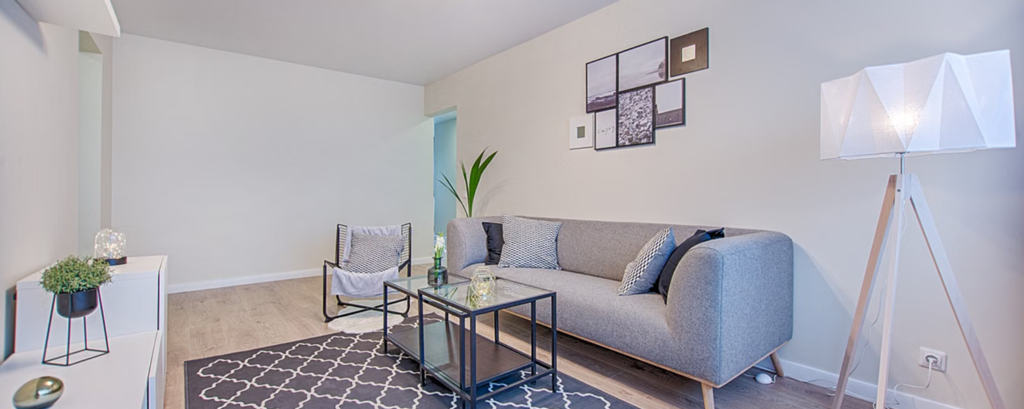
Layered lighting creates depth and warmth — note the mix of floor lamp, table lamp, and ambient uplighting

The magic happens when all three layers work together. On their own, each is functional. Together, they create atmosphere. The goal is to never rely on a single source — even a beautiful chandelier cannot do the work of three.

Where to Start

Begin with ambient light and make it dimmable. This is non-negotiable. A dimmer transforms a room from daytime bright to evening soft with a single slide. Next, identify your task zones — where do you read, work, cook, or apply makeup? Place a dedicated light source at each. Finally, add accent light last: a picture light above a favorite painting, a pair of sconces flanking a mirror, or uplights washing a textured wall.

Lighting is the jewelry of a room. You would not wear a single piece and call it done.

— Amber Nicole

One common mistake I see is placing all lighting at the same height. Vary the vertical placement — a floor lamp at five feet, a table lamp at three, a picture light at six — to create a rhythm of light that draws the eye around the room. This vertical variation is what makes a space feel professionally designed.

Color Temperature Matters

All your bulbs should be in the same color temperature range, typically 2700K to 3000K for residential interiors. Mixing a cool 4000K bulb with a warm 2700K bulb in the same room creates visual discord that most people cannot name but everyone can feel. Stick to warm white and let the layers do the work.
Lighting is an investment that pays off every single day. Get the layers right and everything else in the room looks better — the paint, the fabrics, the art, even the people in it.
Let's Work Together

Ready to elevate your space?

Contact us today to schedule a complimentary design consultation.

Scroll to Top